
The film industry has undergone a dramatic transformation over the past decade. With the rise of streaming platforms, the way films and television series are produced, distributed, and consumed has changed significantly. Traditional cinema releases are no longer the only route for filmmakers to reach audiences. Streaming services have opened new opportunities for content creators while reshaping the entire film production process.
Today, filmmakers are creating content not only for the big screen but also for digital platforms that reach millions of viewers worldwide. This shift has influenced how stories are developed, how productions are financed, and how audiences interact with film and television content.
The Rise of Streaming Platforms
Streaming platforms have become a dominant force in the entertainment industry. Services such as Netflix, Amazon Prime Video, Disney+, and other global platforms have changed how people watch films and television shows.
Unlike traditional cinema releases that rely on scheduled showtimes, streaming platforms allow audiences to watch content whenever and wherever they want. This convenience has attracted a large global audience, increasing the demand for high-quality films and series.
As a result, production companies are now creating more content than ever before to meet the growing demand for streaming entertainment.
Changing Film Production Strategies
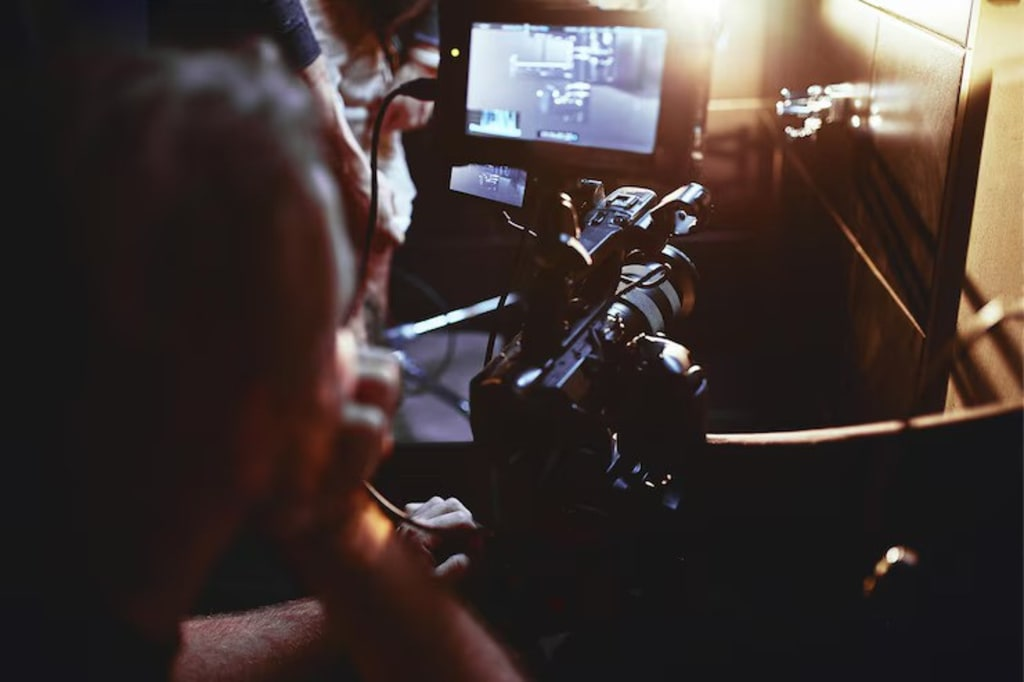
The streaming era has changed the way film production projects are planned and executed. Production schedules are often faster because streaming platforms require consistent releases to keep audiences engaged.
Instead of focusing solely on blockbuster films, production teams are now producing a wide range of content, including mini-series, documentaries, and feature-length films designed specifically for streaming platforms.
This shift has encouraged filmmakers to explore new storytelling formats and experiment with creative ideas that might not have been possible in traditional cinema distribution models.
Global Reach for Filmmakers
One of the biggest advantages of the streaming era is the ability to reach international audiences instantly. A film released on a streaming platform can be watched by viewers across multiple countries within hours of its launch.
This global reach has opened new opportunities for filmmakers and production companies. Content that may have previously struggled to secure theatrical distribution can now find large audiences through digital platforms.
International collaborations have also become more common, allowing filmmakers from different countries to work together on projects that appeal to global viewers.
Increased Demand for High-Quality Content
Streaming platforms compete fiercely to attract and retain subscribers. One of the key ways they achieve this is by investing heavily in original content.
This demand for exclusive films and series has led to increased opportunities for filmmakers, writers, and production teams. Streaming platforms often finance ambitious productions that rival traditional cinema releases in terms of scale and quality.
Many Film Production Companies in London are actively producing projects specifically for streaming services, reflecting the growing importance of digital platforms in the entertainment industry.
New Technologies in Modern Film Production
Technology has played a major role in supporting the growth of streaming-era productions. Advanced filming techniques, high-resolution cameras, and sophisticated editing software allow production teams to create visually stunning content more efficiently.
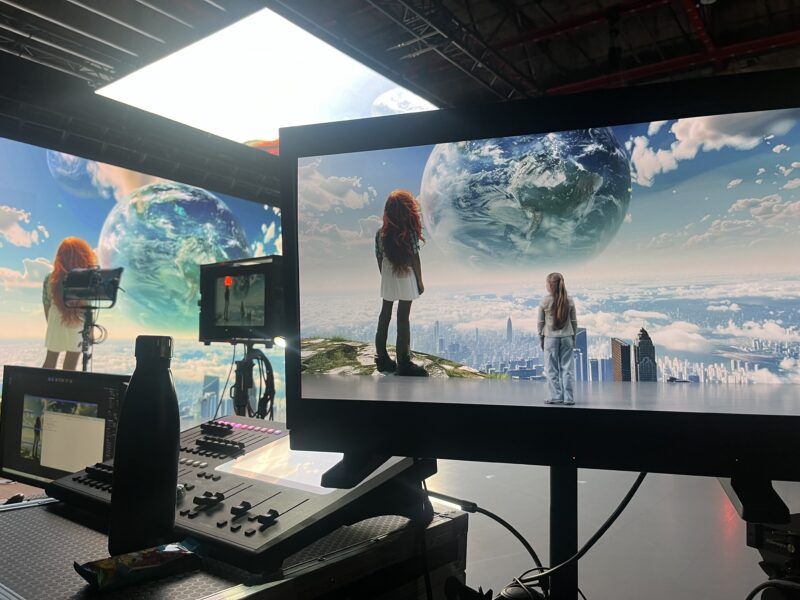
Virtual production technologies are also becoming more common. These techniques combine real-time digital environments with traditional filmmaking methods, allowing scenes to be created in controlled studio settings.
Facilities such as Film Studios in West London are increasingly adopting modern production technologies to support filmmakers working on streaming projects.
The Role of Virtual and XR Production
Extended reality technologies are becoming an important part of modern film production. XR environments allow filmmakers to blend physical sets with digital backgrounds, creating immersive scenes without requiring extensive location shoots.
These technologies can improve efficiency by reducing travel costs and providing greater creative control over visual environments. Production teams can visualise and adjust scenes in real time during filming.
Studios equipped with advanced technologies, such as an XR Studio, are helping filmmakers produce high-quality visual content for streaming platforms while maintaining flexibility and efficiency.
Creative Freedom for Filmmakers
Streaming platforms often provide filmmakers with more creative freedom compared to traditional cinema distribution. Because streaming services focus on attracting diverse audiences, they are open to exploring unique storytelling styles and unconventional narratives.
Filmmakers can experiment with different formats, such as limited series or episodic storytelling, which may not fit within traditional film structures. This creative flexibility has resulted in a wider variety of content that appeals to different audiences.
As a result, viewers now have access to a greater range of stories, cultures, and perspectives through streaming platforms.
The Impact on Audience Viewing Habits
The streaming era has significantly changed how audiences consume film and television content. Many viewers now prefer watching films at home rather than visiting cinemas, particularly for certain types of content.
Streaming platforms allow audiences to watch entire series in a single sitting, a behaviour often referred to as “binge-watching.” This has influenced how filmmakers structure episodes and narratives to keep viewers engaged across multiple episodes.
At the same time, cinema releases still remain important for major blockbuster films and special cinematic experiences.
The Future of Film Production in the Streaming Era
As streaming platforms continue to expand, the demand for original content is expected to grow even further. This means film production will remain a rapidly evolving industry with increasing opportunities for creators and production companies.
Technological innovation will likely continue to shape how films are produced, with virtual production, advanced visual effects, and digital collaboration tools becoming more common.
For filmmakers, the streaming era represents both a challenge and an opportunity. Competition for attention is intense, but the potential audience reach has never been greater.
A New Chapter for the Film Industry
The streaming revolution has fundamentally reshaped the film production landscape. From global distribution to new storytelling formats and advanced production technologies, the industry is adapting to meet the needs of modern audiences.
Filmmakers today have access to more platforms, more creative tools, and more opportunities to share their work with viewers around the world. While traditional cinema will always have its place, streaming platforms have opened a new chapter in the history of film production.
As the industry continues to evolve, the combination of creativity, technology, and global accessibility will define the future of filmmaking in the streaming era.